

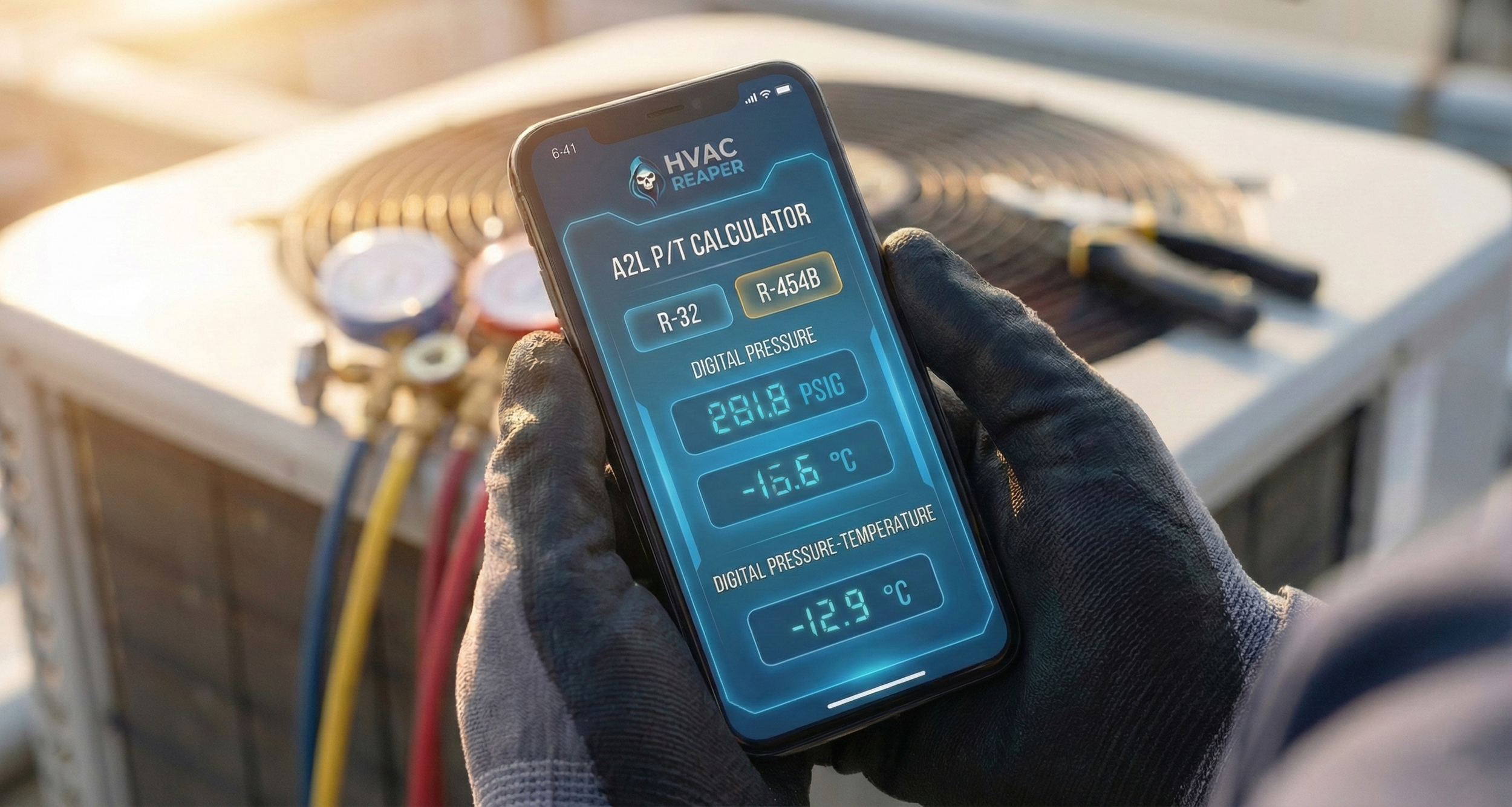
Interactive A2L Refrigerant Pressure Chart & Refrigerants List
A free interactive A2L refrigerant pressure chart and calculator for R-32, R-454B, and R-1234yf. Get precise saturation temperatures instantly.
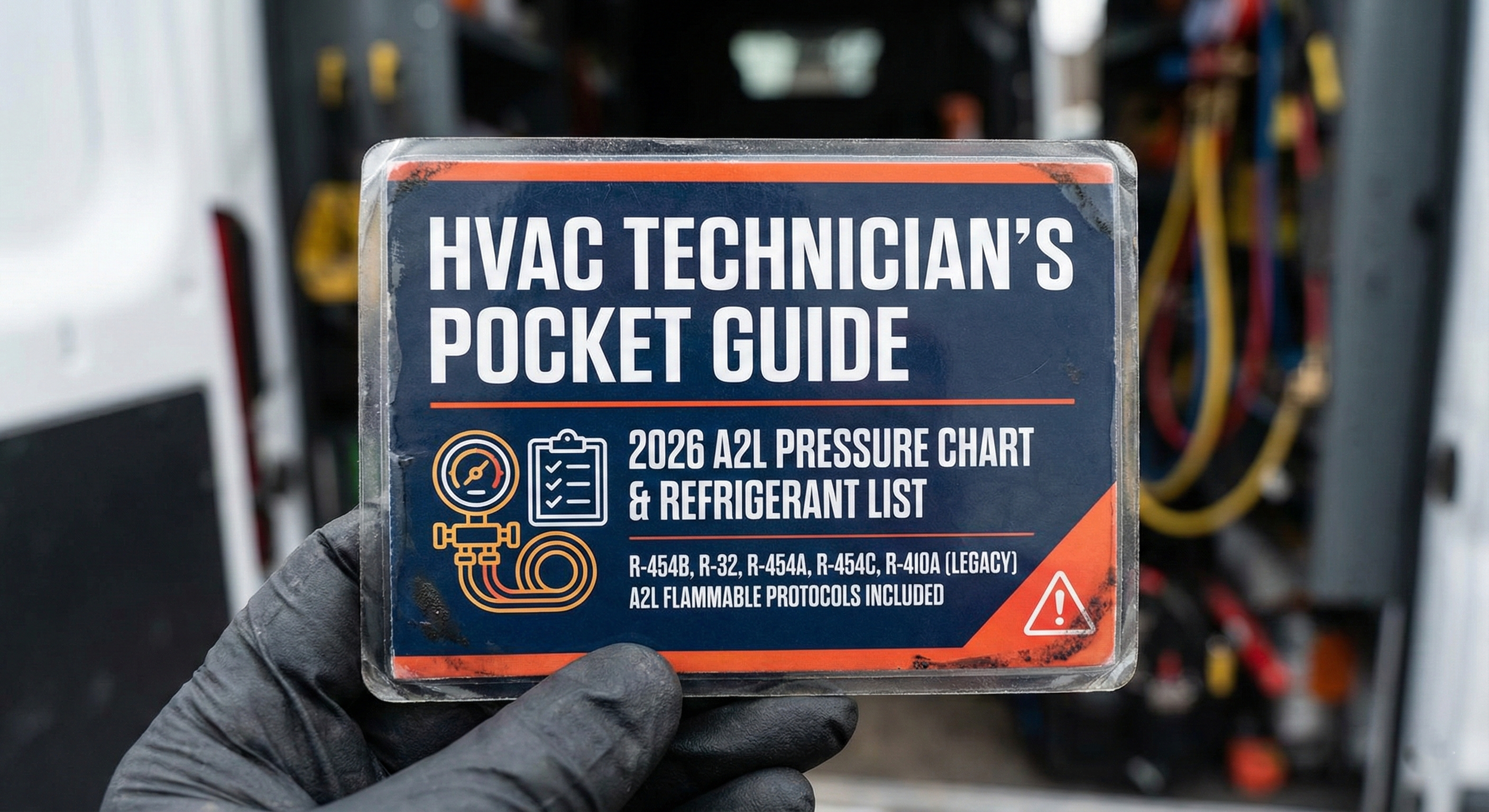
The Ultimate A2L Refrigerant List: Pressure Charts & Requirements for 2026
Whether you are managing "sell-through" inventory or commissioning a brand-new A2L system, you need data, not history lessons. We have compiled the ultimate A2L refrigerant list, a quick-reference A2L refrigerant pressure chart, and the specific 2026 compliance rules for your van.
Bookmark this page. You are going to need it.
What Is A2L Refrigerant? Understanding the Meaning of the New A2L Standard
Unlike previous transitions that focused solely on saving the ozone layer, the shift we experienced in 2025 was about lowering the "Global Warming Potential" (GWP) of the gas inside your AC. New A2L refrigerant options, such as R-454B (now common in homes) and R-454A (now standard in commercial refrigeration), are chemically designed to absorb significantly less heat in the atmosphere if they leak.
What Are A2L Refrigerant Regulations? A Complete Guide to the 2025 Rules, Meaning & 2026 Outlook
You might be wondering: if the old stuff was non-flammable, why did the EPA mandate a switch to a new A2L refrigerant that has any flammability at all?
The answer is balance. To create a refrigerant that cools effectively without destroying the environment, chemists had to change the molecular structure.
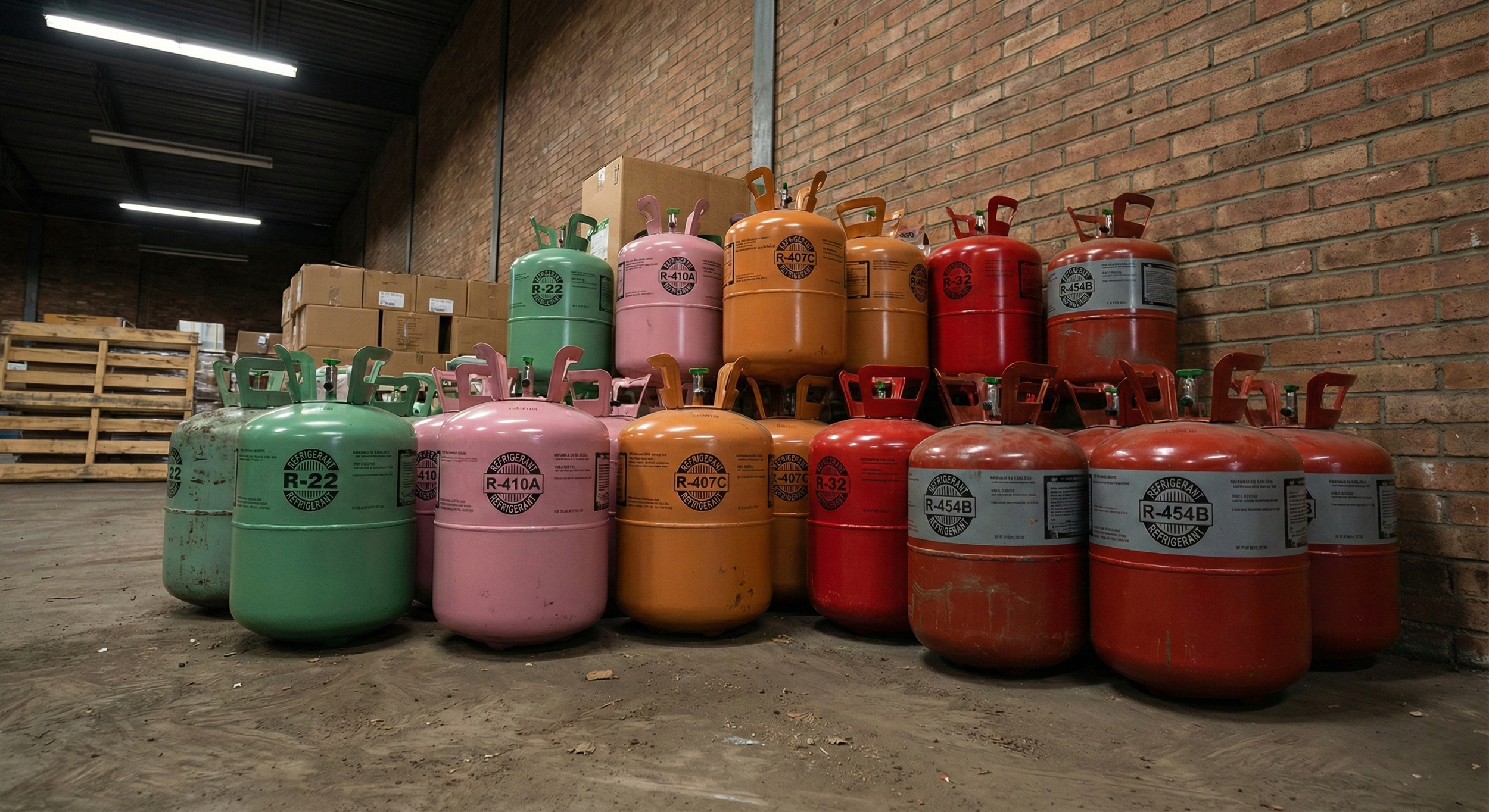
Old R-410A: Non-flammable (A1), but had a massive Global Warming Potential (GWP) of 2,088.
New A2L (R-454B): Mildly flammable (A2L), but drops that GWP down to 466.
Are A2L Refrigerants Flammable? Why HFO Refrigerants Are Classified as A2L
So, are A2L refrigerants flammable? Yes, by strict definition. Is your new AC dangerous? No.
The A2L refrigerant flammable label is there for technicians handling tanks in the back of a hot van, not for homeowners enjoying cool air. With high ignition temperatures, slow burning speeds, and advanced safety sensors, these new HFO-based systems are designed to be as safe as—if not safer than—the older units they replaced.